Writing “handeling” instead of “handling” is one of the most common spelling mistakes in English. Many people type the word quickly in emails, assignments, or social media posts and do not realize that the spelling is wrong. Because of this confusion, thousands of users search every month asking how do you spell handling or handeling and what the correct form should be.
This mistake usually happens because the word comes from handle, and writers assume the letter e should stay when adding -ing. However, English spelling rules remove the final e in many verbs before adding -ing, which is why the correct form is handling.
This article explains the correct spelling, the full handling definition, the meaning of related words like handler and manhandling, and how to use the word in real sentences. By the end, you will clearly understand the difference between handeling or handling and avoid this mistake in professional and everyday writing.
Handling – Quick Definition
Handling (noun/verb):
Handling means managing, controlling, or dealing with something, either physically or emotionally.
Example:
- She is handling the situation calmly.
- Proper handling of equipment prevents damage.
Handeling or Handling
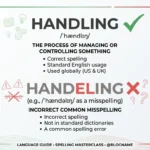
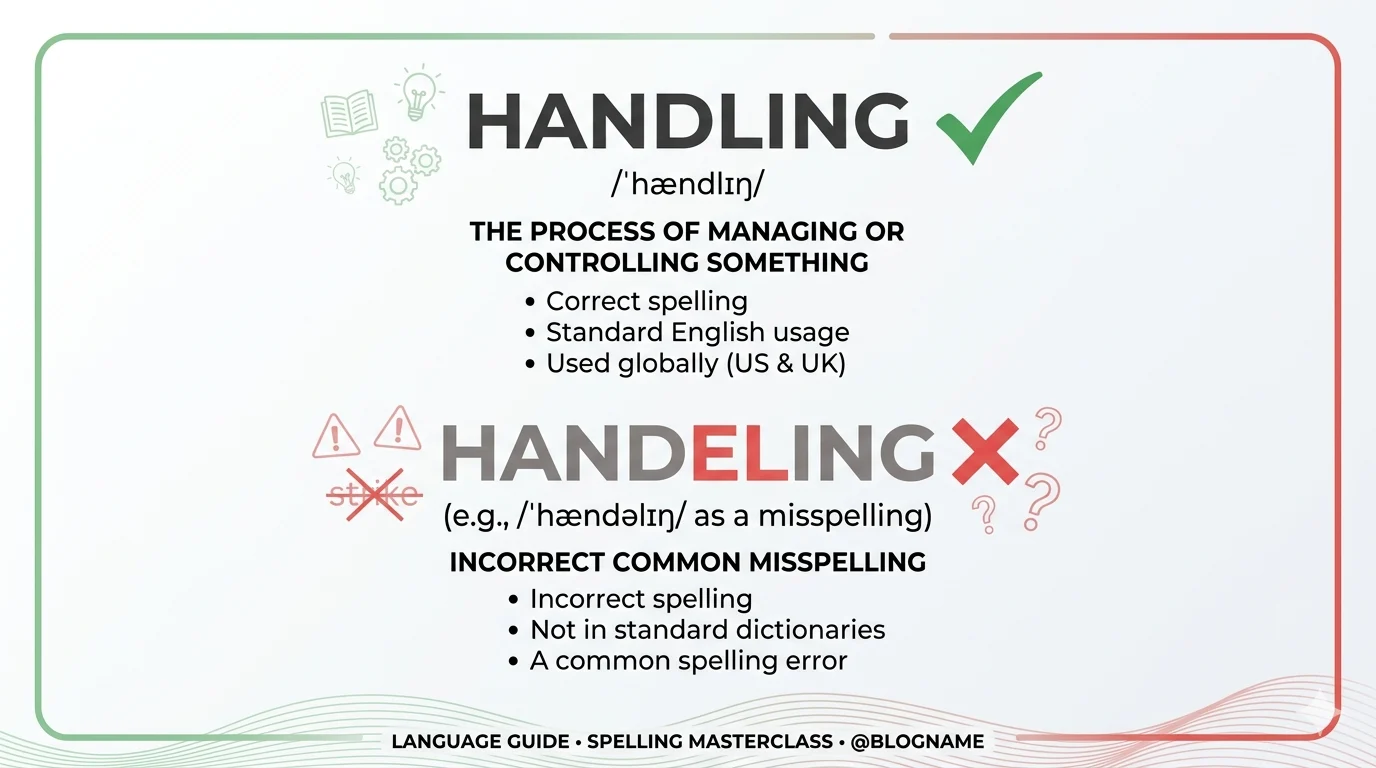
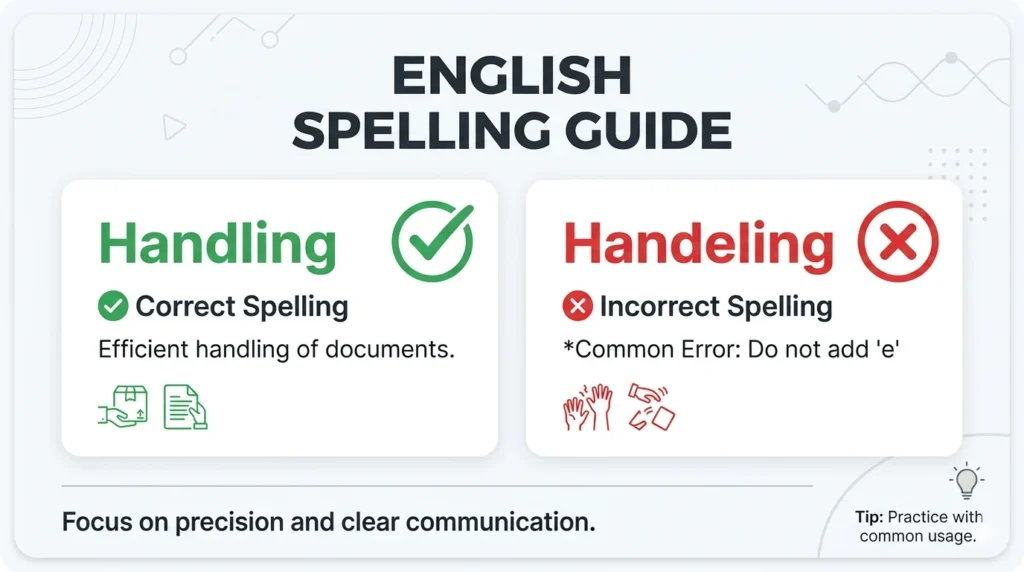
The correct spelling is handling.
The word handeling is incorrect and is not accepted in standard English dictionaries.
Correct usage
- He is responsible for handling customer complaints.
Incorrect usage
- He is responsible for handeling customer complaints. ❌
Major dictionaries such as Oxford English Dictionary and Merriam-Webster list only handling as the correct spelling.
Why “Handling” Is Spelled Without the Letter E
The confusion between handeling or handling comes from a basic English spelling rule.
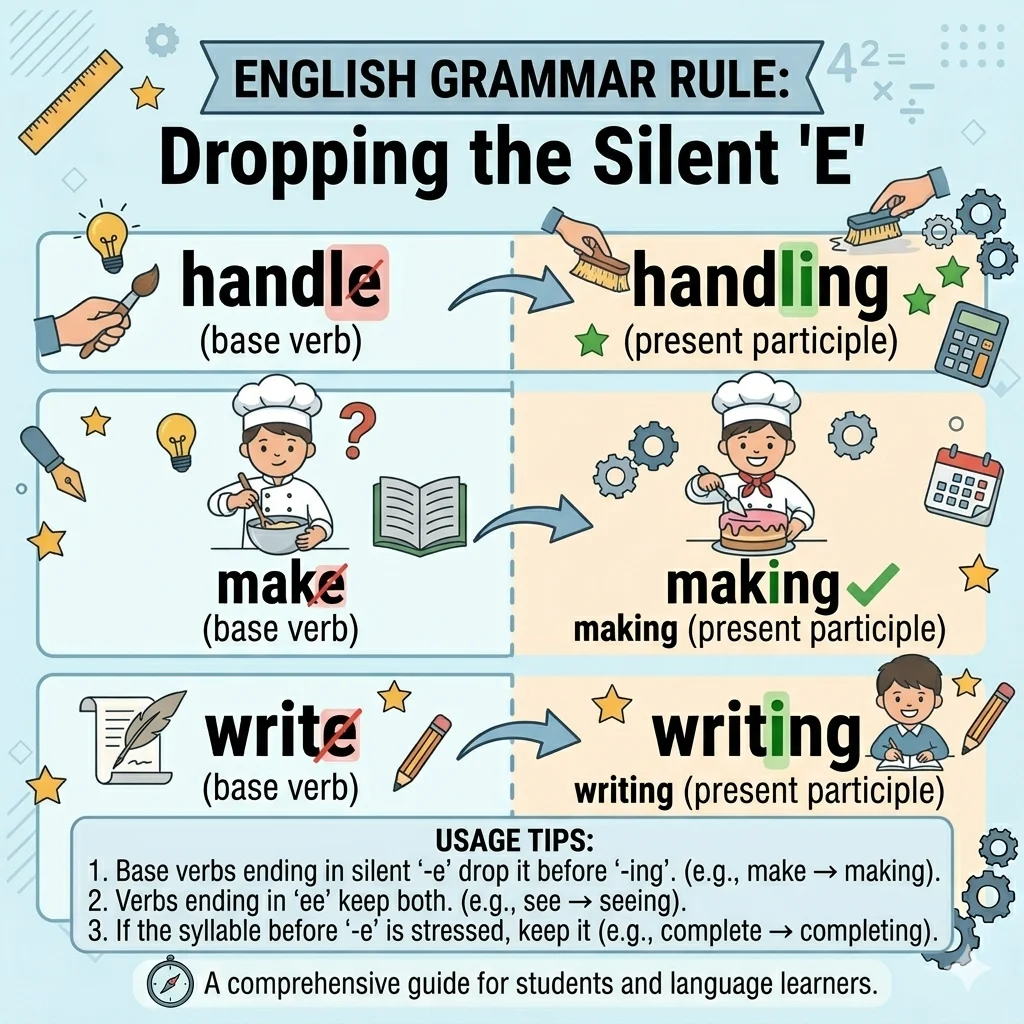
When a verb ends in -le, the final e is dropped before adding -ing.
Spelling rule examples
| Base Verb | Incorrect | Correct |
|---|---|---|
| handle | handeling | handling |
| make | makeing | making |
| write | writeing | writing |
This rule applies to many English verbs, which is why handling is the only correct form.
The Origin of the Word Handling
The word handling comes from the Old English word hand, which referred to the body part used to hold objects. Over time, English formed the verb handle, meaning:
- to touch with the hands
- to manage or control
By the 16th century, handling began to be used in both physical and emotional contexts, such as:
- handling tools
- handling stress
- handling business matters
British English vs American English Spelling
Some English words change spelling depending on the region, such as:
- colour vs color
- travelling vs traveling
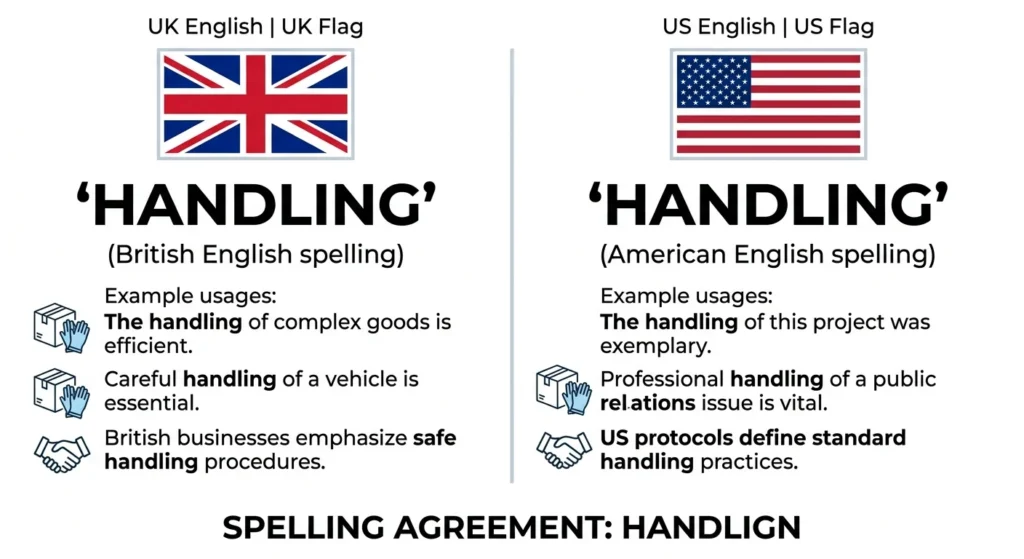
However, handling is spelled the same in all major English varieties.
Spelling comparison table
| English Variety | Correct Spelling |
|---|---|
| American English | Handling |
| British English | Handling |
| Canadian English | Handling |
| Australian English | Handling |
This means handeling is incorrect everywhere.
Goose or Geese: Which One Is Actually Correct?
Which Spelling Should You Use?
You should always use handling, regardless of whether you are writing for:
- academic work
- business communication
- blog content
- international audiences
Using the wrong spelling can make writing look careless and may reduce trust in professional contexts.
Handling Meaning, Synonyms, and Related Words
Handling meaning
Handling refers to the way a person manages or deals with a task, object, or situation.
Handling synonyms
Common synonyms include:
- managing
- dealing with
- controlling
- processing
- overseeing
Example:
- She is handling the project efficiently.
- She is managing the project efficiently.
What Is the Meaning of a Handler?
A handler is a person responsible for managing or controlling something.
Examples
- A dog handler trains and controls dogs.
- A complaint handler deals with customer problems.
- A baggage handler loads luggage at airports.
What Is the Meaning of Manhandling?
Manhandling means moving or controlling someone roughly using physical force. It often carries a negative meaning because it suggests aggression.
Example:
- The suspect claimed he was manhandled by security staff.
Handling as a Noun and a Verb
Handling as a verb
It is the present participle of handle.
Example:
- She is handling the crisis professionally.
Handling as a noun
It can also describe the way something is managed.
Example:
- The handling of personal data must follow strict privacy rules.
In grammar, this noun form is called a gerund because it is a verb ending in -ing used as a noun.
How Handling Is Used in Real Life
In customer service
Companies train employees in handling angry customers calmly and respectfully.
In education
Teachers learn techniques for handling classroom discipline without conflict.
In technology
Software engineers design systems capable of handling large volumes of data efficiently.
In everyday conversation
People often say:
- “I am handling it.”
- “She handled the situation well.”

Handling in Sentences – Practical Examples
- He is skilled at handling negotiations.
- Proper handling of chemicals is essential for safety.
- The manager was praised for handling the crisis quickly.
Google Trends and Search Behavior
Search patterns show that the correct spelling handling is dominant in English-speaking countries such as the United States and the United Kingdom. However, searches for “handeling or handling” appear more frequently in countries where English is a second language, including Pakistan, India, and the Philippines.
Search interest in this query often increases during exam periods and job application seasons, when students and job seekers want to ensure their spelling is correct before submitting important documents.
Handeling or Handling – Side-by-Side Comparison
| Word | Correct | Dictionary Status | Meaning |
|---|---|---|---|
| Handling | ✔ Yes | Listed in dictionaries | Managing or dealing with something |
| Handeling | ❌ No | Not listed | Spelling mistake |
Common Mistakes People Make
Keeping the letter E
Many learners assume the original spelling of handle should stay when adding -ing, which leads to the incorrect form handeling.
Thinking it is a regional spelling
Some people believe handeling might be British spelling, but this is false.
Using the wrong grammar structure
Incorrect:
- He is good at handle problems. ❌
Correct:
- He is good at handling problems. ✔
Frequently Asked Questions
How do you spell handling or handeling?
The correct spelling is handling. Handeling is always incorrect.
What is the meaning of handling?
Handling means managing, controlling, or dealing with something physically or emotionally.
Is handling a gerund?
Yes. When used as a noun, handling is a gerund because it is a verb ending in -ing functioning as a noun.
Why is there no “e” in handling?
Because English spelling rules drop the final e from verbs like handle before adding -ing.
What is the meaning of a handler?
A handler is a person who manages or controls something, such as a dog handler or baggage handler.
What does manhandling mean?
Manhandling means using force to move or control someone roughly.
Is handeling ever correct in any dialect?
No. The spelling handeling is considered incorrect in all forms of English.
Conclusion
The confusion between handeling or handling is common but easy to fix once you understand the spelling rule. English drops the final e from verbs like handle before adding -ing, which is why handling is the only correct spelling. The incorrect form handeling appears mainly because writers assume the original spelling should remain unchanged.
This guide explained the full handling definition, its use as both a noun and verb, and the meanings of related words such as handler and manhandling. Real-life examples from customer service, education, and technology show how often this word is used in daily communication.
Using the correct spelling improves clarity, professionalism, and credibility. Whether you are writing an academic essay, sending a business email, or publishing online content, using handling instead of handeling ensures your writing is accurate and trustworthy.

“Virginia Woolf offers reflective, soothing prayers on PrayVibe.com, guiding readers toward inner calm, hope, and a deeper sense of spiritual clarity.”