English learners and even native speakers often search for “are or our” because these two words sound the same but mean very different things. This confusion usually appears while writing emails, school assignments, captions, or professional content. A small spelling mistake between are and our can completely change the meaning of a sentence—or make it grammatically incorrect.
People want a quick answer (“Which one is right?”), but they also want to understand why they keep mixing them up. The main reason is pronunciation: are and our are homophones in many accents, especially in American English. When spoken, they sound alike, but in writing, they serve totally different grammar roles.
This article solves that confusion step by step. You’ll learn the meaning of are or our, how to use our correctly, whether “are our correct” grammar ever works, and how these words differ in real sentences. We’ll cover grammar rules, examples, common mistakes, usage trends, and practical advice—using very simple language. By the end, you’ll confidently choose the right word every time.
Are or Our
Are is a verb (a form of to be).
Our is a possessive adjective that shows ownership.
Examples:
- We are happy today.
- This is our house.
If the sentence talks about being or state, use are.
If the sentence talks about ownership, use our.
👉 Are or our answer (short rule):
- Use are with we, you, they.
- Use our before a noun to show something belongs to “us”.

The Origin of Are or Our
The confusion between are or our comes from history and sound changes in English.
- Are comes from Old English “earun”, meaning they are. Over time, it became shorter and simpler.
- Our comes from Old English “ūre”, meaning belonging to us.
Although their spellings and meanings are different, modern pronunciation made them sound similar. This is why our and are homophones in many English accents. The spelling difference exists to clearly separate grammar function: verb vs possession.
British vs American English Pronunciation
While are and our are spelled the same in both British and American English, their pronunciation can differ, which sometimes confuses learners.
Pronunciation Comparison Table
| Word | British English Pronunciation | American English Pronunciation | Meaning |
|---|---|---|---|
| are | /ɑː/ | /ɑr/ | Verb (to be) |
| our | /aʊə/ or /aʊər/ | /ɑr/ or /aʊr/ | Possessive adjective (ownership) |
Tip: In American English, both words can sound similar in casual speech, but the meaning is always determined by context. Remember: writing is key—don’t rely on sound alone.
Which Spelling Should You Use?
Choose based on sentence purpose, not audience.
- US audience: Focus on grammar, not sound.
- UK/Commonwealth audience: Same rule applies.
- Global audience: Clear writing matters more than accent.
Rule to remember:
If you can replace the word with “belonging to us”, use our.
If you can replace it with “are being”, use are.
Common Mistakes with Are or Our
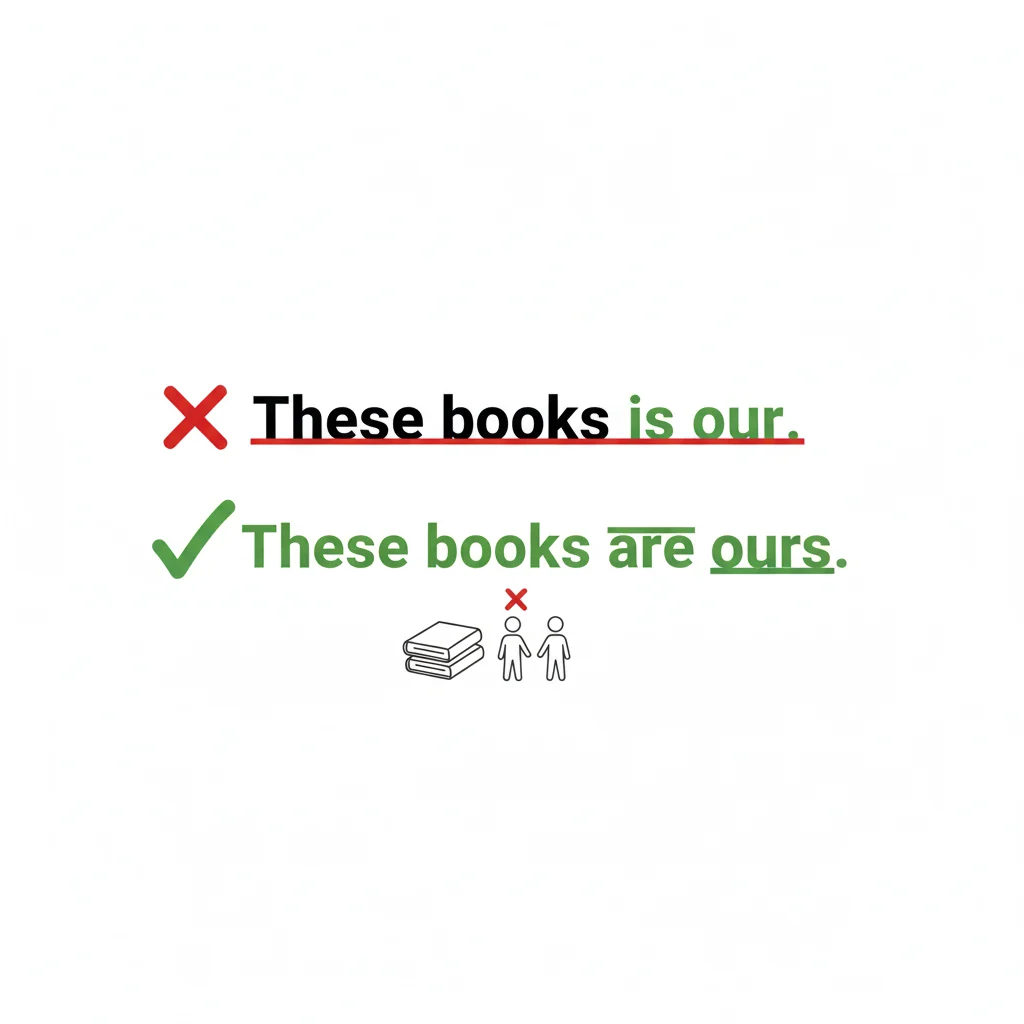
❌ Wrong → ✅ Correct
- ❌ Are team is ready → ✅ Our team is ready
- ❌ Our going to win → ✅ We are going to win
- ❌ Are house is big → ✅ Our house is big
👉 Is “are our correct” grammar?
Yes, but only together, not as replacements:
- We are our own bosses. (Correct)
Are or Our in Everyday Examples
Emails
- We are available tomorrow.
- Please review our proposal.
News
- Leaders are meeting today.
- This decision affects our economy.
Social Media
- We are so excited!
- Thank you for supporting our journey.
Formal Writing
- The results are significant.
- Our findings suggest improvement.
These are or our examples show how meaning changes with usage.

Apon or Upon: Which One Is Correct in English?
Are or Our – Google Trends & Usage Data
Search interest shows that “are or our grammar” and “are or our meaning” are among the top queries for students and ESL learners.
- High-search countries: United States, India, Pakistan, Philippines
- Top contexts: Writing emails, school assignments, social media captions
According to Google Trends, queries like “how do you use our correctly?” peak in exam months, indicating that confusion is most common among students.
💡 Pro Tip: Adding a cheat rule—ownership = our, being = are—can help users instantly pick the correct word.
Comparison Table: Are vs Our
| Feature | Are | Our |
|---|---|---|
| Part of speech | Verb | Possessive adjective |
| Shows action/state | Yes | No |
| Shows ownership | No | Yes |
| Used before noun | No | Yes |
| Example | We are ready | Our plan worked |
FAQs – Are or Our
1. Are or our meaning – what’s the difference?
Are shows state or action. Our shows ownership.
2. How do we use our correctly?
Place our before a noun: our car, our idea, our office.
3. Can our be used without a noun?
No, our always needs a noun. Wrong: This is our. Correct: This is our plan.
4. Are our and are the same thing?
No. They sound similar but serve different grammar functions.
5. Is “are our correct” grammar?
Yes, but only together in context: We are our teachers’ pride.
6. Are our pronunciation the same?
Often yes, especially in American English, but meaning comes from sentence context.
7. Are or our sentences – how to check quickly?
Replace the word with belonging to us. If it fits, use our; otherwise, use are.
Quick Cheat Box
1-Second Grammar Rule:
- Ownership? → our
- Being/state/action? → are
This is perfect for students, content writers, and social media posts—they can remember it instantly.
Conclusion
Understanding are or our is simple once you know the key difference: are = being/action, our = ownership. Many mistakes happen because these words sound the same, but writing makes the difference clear.
Use the cheat box, examples, and tables from this guide. With just one rule in mind, you can write confidently in emails, assignments, social media posts, and professional documents.
Remember: If it belongs to us, it’s our. If it shows a state or action, it’s are. Master this, and you’ll never confuse them again.

“George Orwell shares clear, heartfelt prayers on PrayVibe.com, offering hope, reflection, and spiritual strength to readers seeking comfort and guidance.”