Do you ever wonder whether to write enrol or enroll? This is one of the most common questions for students, writers, and professionals worldwide. Many search for phrases like “enrol or enroll in English”, “enrol or enroll UK”, and “enrol or enroll example” because they want to know the correct spelling and avoid mistakes.
The confusion arises from differences between British English and American English. Both words mean the same thing—officially signing up for a course, program, or organization—but the spelling differs depending on the region. Understanding the difference helps you write clearly in emails, formal letters, applications, or social media posts.
This comprehensive guide will explain the enrol or enroll meaning, grammar rules, past tense, and real-life usage examples. You’ll also learn which spelling to use depending on your audience and why consistency matters. By the end, you’ll know exactly when to write enrol now or enroll now and how to use the word correctly in professional and casual contexts.
Enrol or Enroll
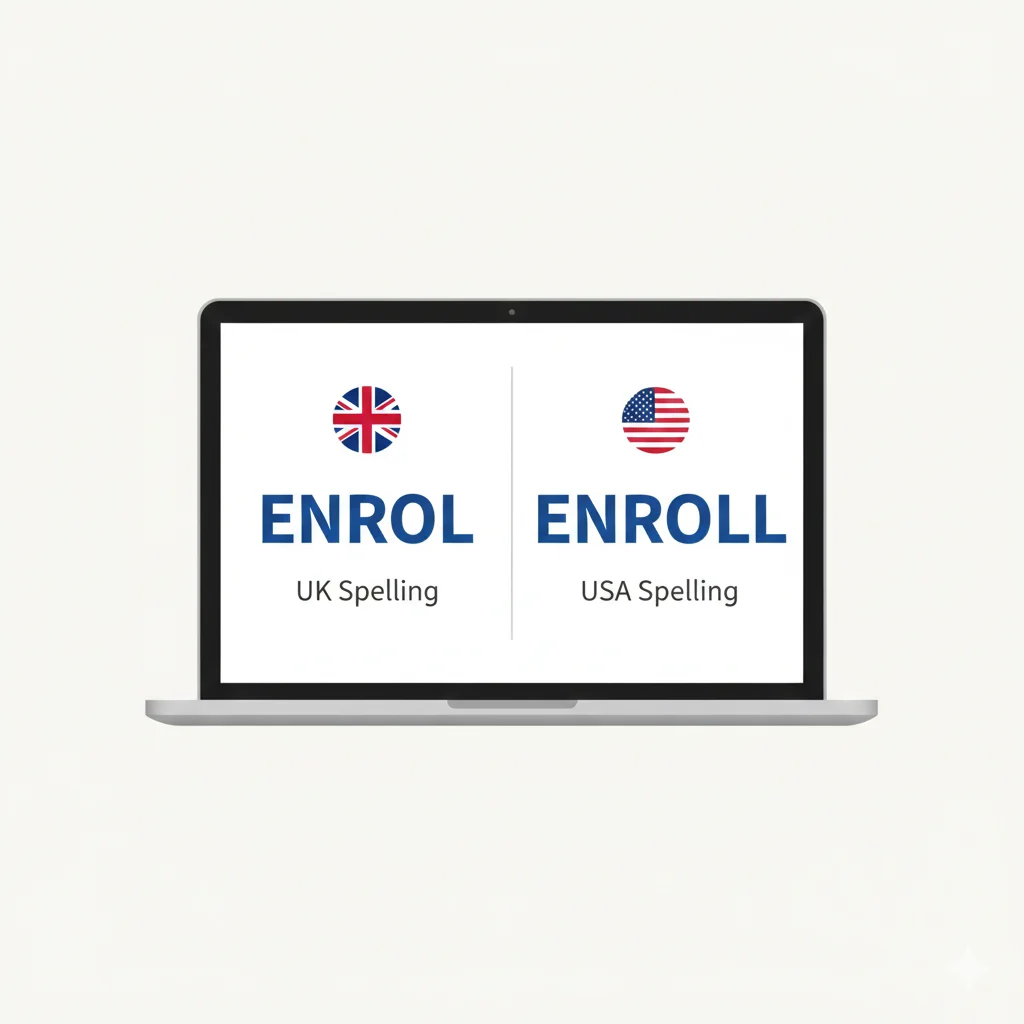
Quick answer: Both enrol and enroll are correct.
- Enrol → British English (UK, Australia, Canada in some contexts)
- Enroll → American English (USA)
Examples
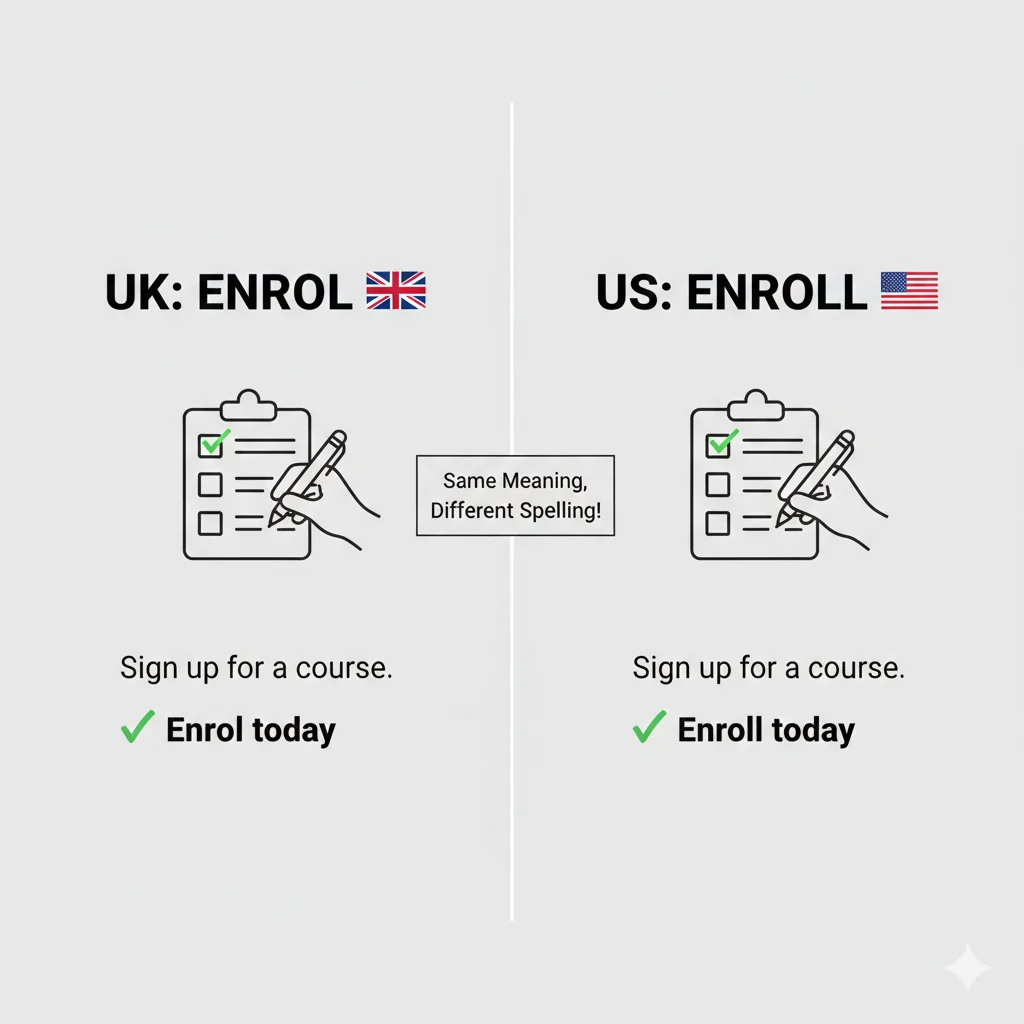
- UK: Students must enrol before the deadline.
- US: Students must enroll before the deadline.
Both sentences have the same meaning. The only difference is regional spelling.
The Origin of Enrol or Enroll
The word originates from the Old French term “enroller”, meaning “to enter on a list.” It entered English in the Middle Ages as enrol, and over time, American English adopted the spelling enroll with a double “l” to match its spelling rules.
Historical Timeline
- 15th century: Middle English adopts enrol from Old French enroller.
- 18th–19th century: US English standardizes spelling with double consonants → enroll.
- Modern English: Both spellings coexist, depending on region.
Why spelling differences exist
English spelling evolved differently in regions. American English often doubles consonants (enroll, fulfill) when adding suffixes, while British English keeps the single “l” (enrol, fulfil). Both are correct within their regions, but mixing them in one document is discouraged.
British English vs American English Spelling
Key Differences
| Usage | British English | American English |
|---|---|---|
| Verb | enrol | enroll |
| Past tense | enrolled | enrolled |
| Noun | enrolment | enrollment |
Comparison Table
| Variation | UK Spelling | US Spelling | Meaning |
|---|---|---|---|
| Verb | enrol | enroll | To officially join a program or course |
| Noun | enrolment | enrollment | The act of joining |
| Past tense | enrolled | enrolled | Joined in the past |
Examples
- UK: She will enrol in the university next week.
- US: She will enroll in the university next week.
Tip: The past tense enrolled always doubles the “l” in both British and American English.
Which Spelling Should You Use?
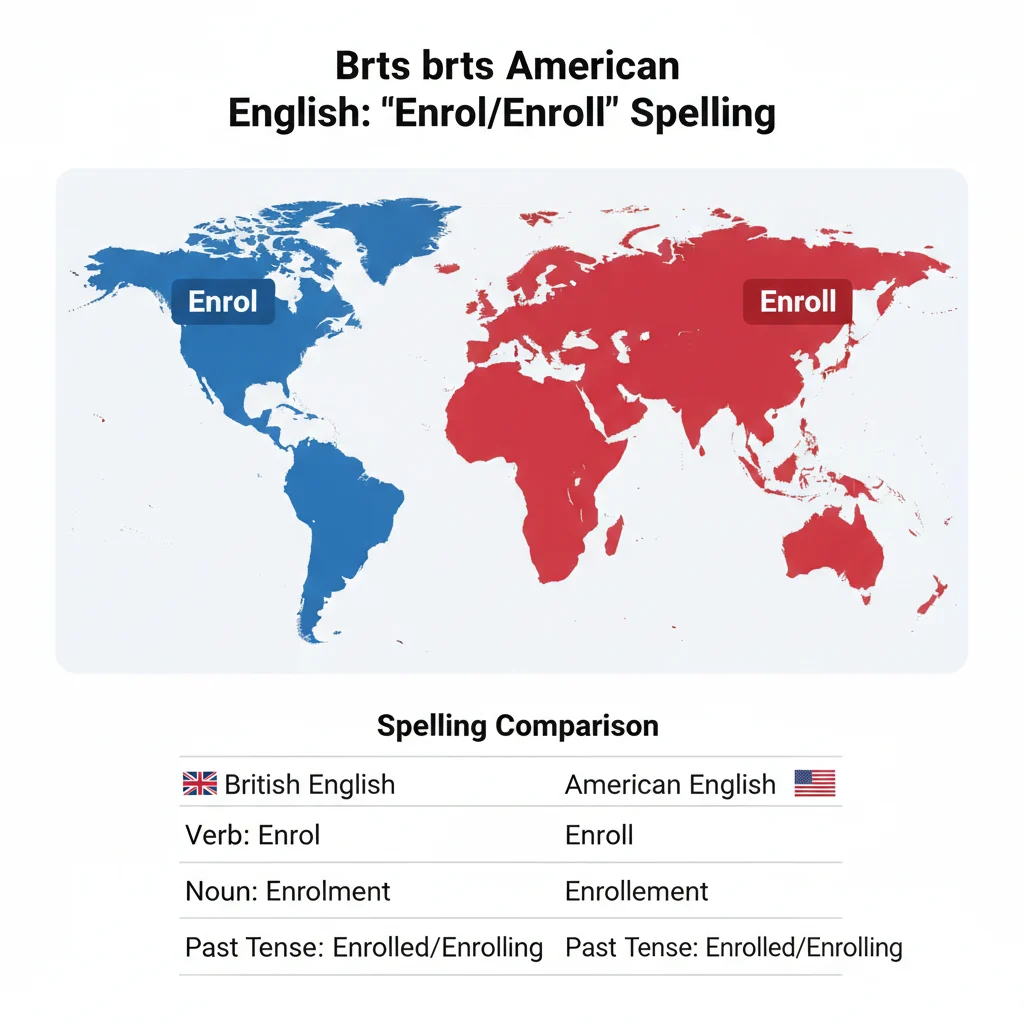
The spelling depends on your audience:
- United States: Use enroll
- United Kingdom & Commonwealth countries: Use enrol
- Global audience: Either spelling is acceptable, but consistency is critical
If writing for international readers, pick one style and maintain it throughout your content. Mixing spellings can confuse readers and appear unprofessional.
Common Mistakes with Enrol or Enroll
1. Mixing spellings
❌ Students must enrol before they enroll in classes.
✔ Students must enrol before they enrol in classes. (UK)
✔ Students must enroll before they enroll in classes. (US)
2. Wrong noun form
❌ Enrollment in UK documents
✔ Enrolment in UK writing
3. Incorrect past tense
Both forms use enrolled as past tense:
✔ She enrolled yesterday.
✔ He enrolled in the program last week.
4. Informal abbreviations
Avoid using shortened forms like enr. Always write enrol/enroll.
Enrol or Enroll in Everyday Examples
Email Examples
- UK: Please enrol in the training session by Friday.
- US: Please enroll in the training session by Friday.
University Notices
- UK: Students must complete their enrolment online before 30th June.
- US: Students must complete their enrollment online before June 30th.
News Headlines
- UK: Thousands enrol in free online skills program.
- US: Thousands enroll in free online skills program.
Social Media Posts
- Enrol now to secure your spot! (UK)
- Enroll now to start learning today! (US)
Corporate Emails
- UK: All staff are required to enrol in the mandatory cybersecurity training.
- US: All staff are required to enroll in the mandatory cybersecurity training.
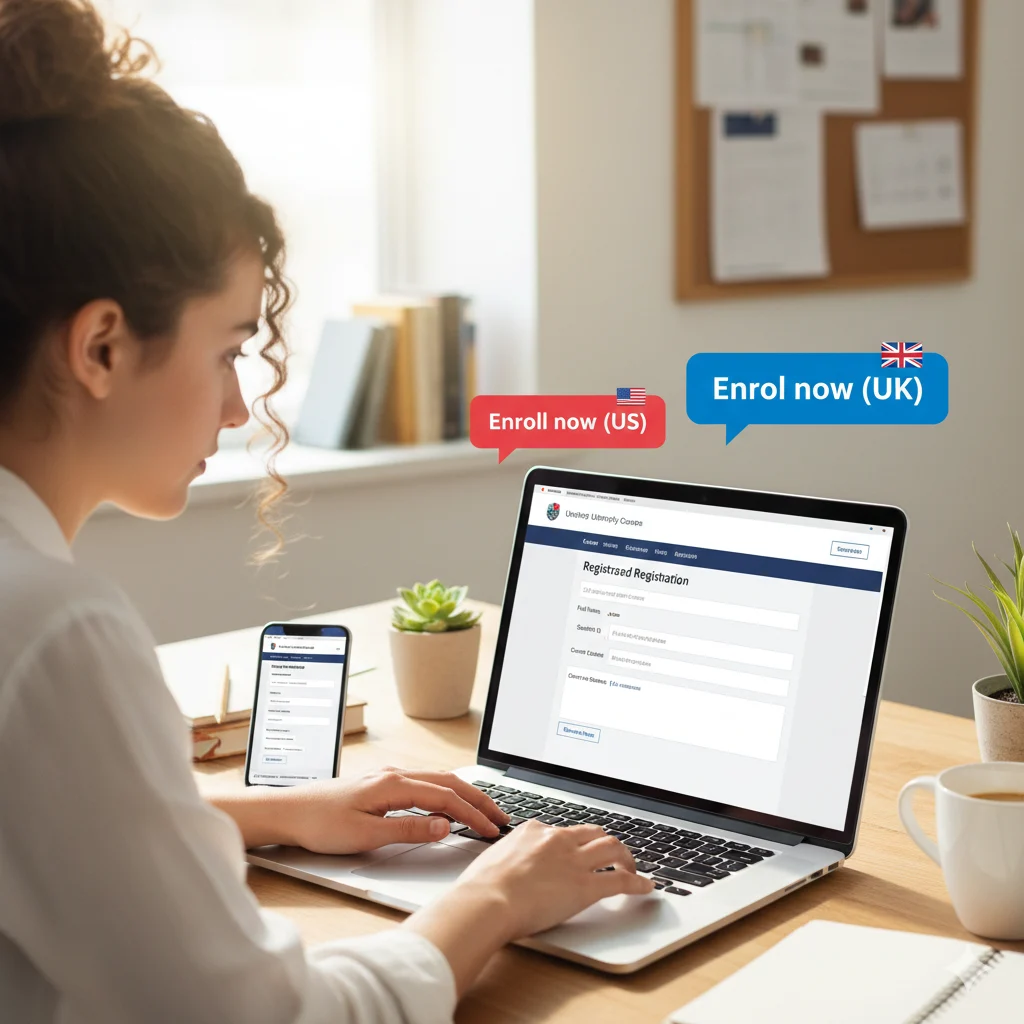
Enrol or Enroll Meaning and Grammar
Enrol meaning: To officially join a course, program, or organization.
Grammar Tips
- Verb form: enrol/enroll
- Past tense: enrolled
- Noun form: enrolment/enrollment
Examples
- I want to enrol in a language course.
- She enrolled in medical school last month.
- His enrolment in the program was confirmed yesterday.
Enrol Past Tense
The past tense of both enrol and enroll is enrolled.
Examples
- He enrolled in the program last year.
- They enrolled their child in school this September.
Even in UK English, the past tense always doubles the “l.”
Are Enrol and Enroll the Same?
Yes. They have the same meaning and pronunciation. The difference is only spelling, depending on the region.
How Does the UK Spell “Enroll”?
In the UK, the correct spelling is enrol (single L). The noun form is enrolment.
What Is to Enrol?
To enrol means to officially sign up for something like:
- A school or university
- An online course
- A professional program
- Membership in a club or organization
Is Enrol One L or Two?
- UK: Enrol → one L
- US: Enroll → two Ls
Enrol or Enroll Example Comparison Table
| Sentence Context | UK Version | US Version |
|---|---|---|
| University | Enrol in university | Enroll in university |
| Online course | Enrol now | Enroll now |
| Training program | Staff must enrol | Staff must enroll |
| School application | Complete your enrolment | Complete your enrollment |
| Email reminder | Don’t forget to enrol today | Don’t forget to enroll today |
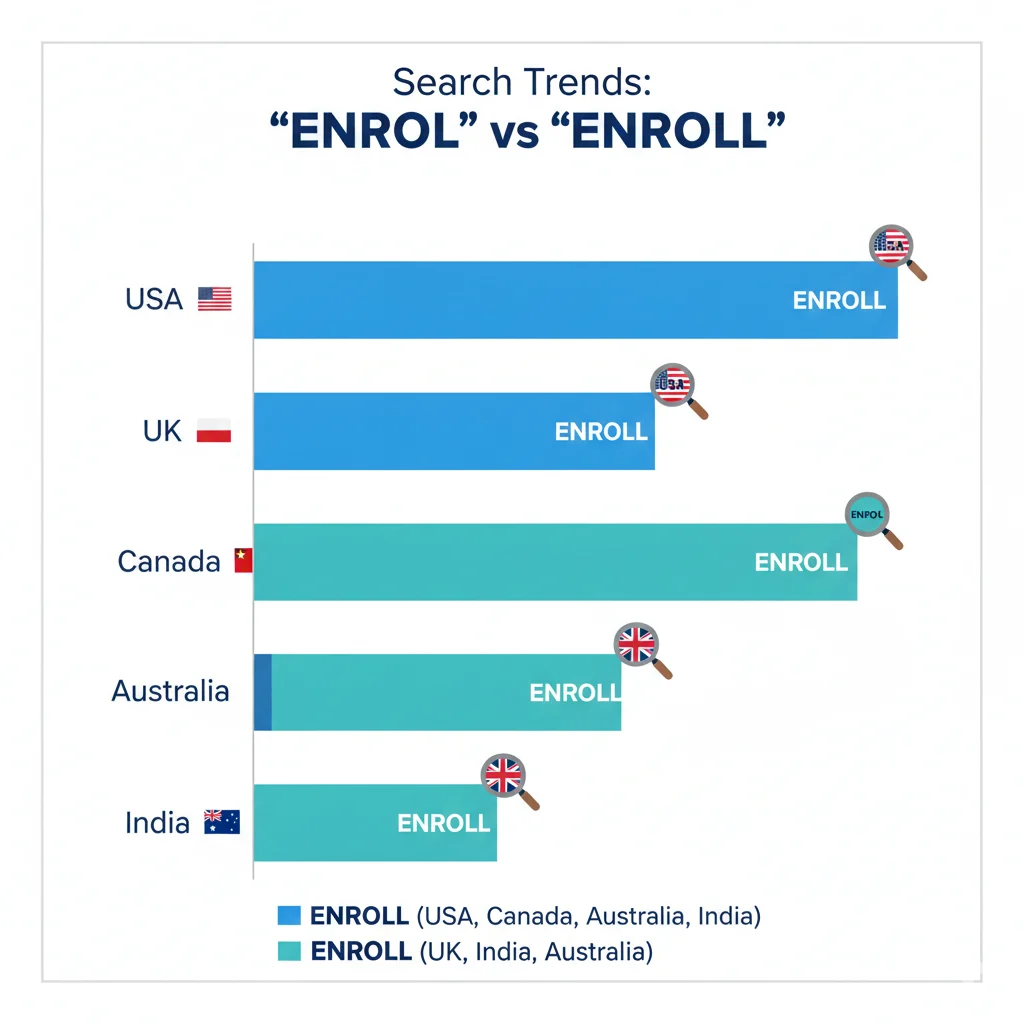
Enrol or Enroll – Google Trends & Usage Data
According to Google Trends (2026 data):
- United States: “enroll” has over 10,000 monthly searches, dominating the US market.
- United Kingdom: “enrol” averages 4,500 monthly searches.
- Canada: Both spellings appear, but enrol is slightly more common.
- Australia, India, New Zealand: Follow UK spelling: enrol/enrolment
Top search queries include:
- Enrol or enroll in English
- Enrol or enroll UK
- Are enrol and enroll the same?
- Enrol now or enroll now
This shows global confusion and highlights the importance of clarity for professional and educational content.
FAQs
- Are enrol and enroll the same?
Yes, they have the same meaning; only spelling differs regionally. - Which is correct: enrol or enroll?
Both are correct. Use enrol in UK English and enroll in US English. - What is the noun form?
UK: enrolment
US: enrollment - What is the past tense?
Both forms use enrolled. - Can I use enrol in American writing?
It is understandable but not standard in US style guides. - Is enrol used in Canada?
Canada uses both forms, though enrol is slightly preferred. - Should I write “enrol now” or “enroll now”?
Use the spelling based on audience: UK → enrol now, US → enroll now. - Do other Commonwealth countries follow UK spelling?
Yes, Australia, India, New Zealand, and South Africa usually use enrol/enrolment. - Can I teach non-native speakers to use enrol/enroll correctly?
Yes. Teach regional rules, grammar, and past tense; always emphasize consistency. - Is there a situation where UK prefers enroll over enrol?
Rarely, but modern tech platforms sometimes adopt US English conventions → enroll is occasionally used online.
Conclusion
The difference between enrol or enroll is simple: it depends on regional spelling. Both mean “to officially join” a course, program, or organization.
- UK & Commonwealth countries: enrol / enrolment
- USA: enroll / enrollment
Consistency is more important than choice. Pick the spelling that matches your audience and stick with it. Avoid mixing UK and US forms, and use the correct noun and past tense forms.
By understanding these rules, you can confidently write emails, university notices, applications, and social posts without errors. Now you know exactly when to write enrol now or enroll now, making your English professional and clear worldwide.

“Charles Dickens shares soulful prayers and uplifting reflections on PrayVibe.com, guiding readers toward hope, comfort, and a deeper connection with God.”