English grammar can sometimes be tricky, especially when deciding whether to use “does” or “do.” Many learners get confused, wondering things like “does or do meaning” or “which is correct, I do or I does?” Making mistakes here can affect the clarity of writing, from emails to essays, and even in casual social media posts.
This guide will simplify everything. You’ll learn “do and does examples,” “do, does, did rules with examples,” and how to form correct do and does questions. We’ll compare British and American usage, discuss common mistakes, show everyday examples, worksheets, and kid-friendly exercises, and even include Google Trends data. By the end, you’ll know exactly when to use does or do, confidently and correctly.
Does or Do
Here’s the simplest rule:
Use “do” with I, you, we, they.
Use “does” with he, she, it.
Examples:
I do my homework every day.
She does her homework quickly.
Do you like chocolate?
Does he play football?
Questions:
Do and does questions always follow this structure: Do/Does + subject + base verb?
Negative: I/you/we/they don’t, he/she/it doesn’t.
This answers common searches like “do and does questions and answers” and “does vs do examples?”
The Origin of Does or Do
The words do and does come from Old English “don,” meaning “to perform or act.” In early English, third-person singular often used “doth,” which evolved into modern “does.”
Over time, grammar rules separated the present tense based on the subject:
Do → I, you, we, they
Does → he, she, it
This distinction makes English sentences clear and structured. Similar patterns appear with verbs like has/have or is/are.
Understanding this history helps learners see why the rules exist and prevents confusion in writing.
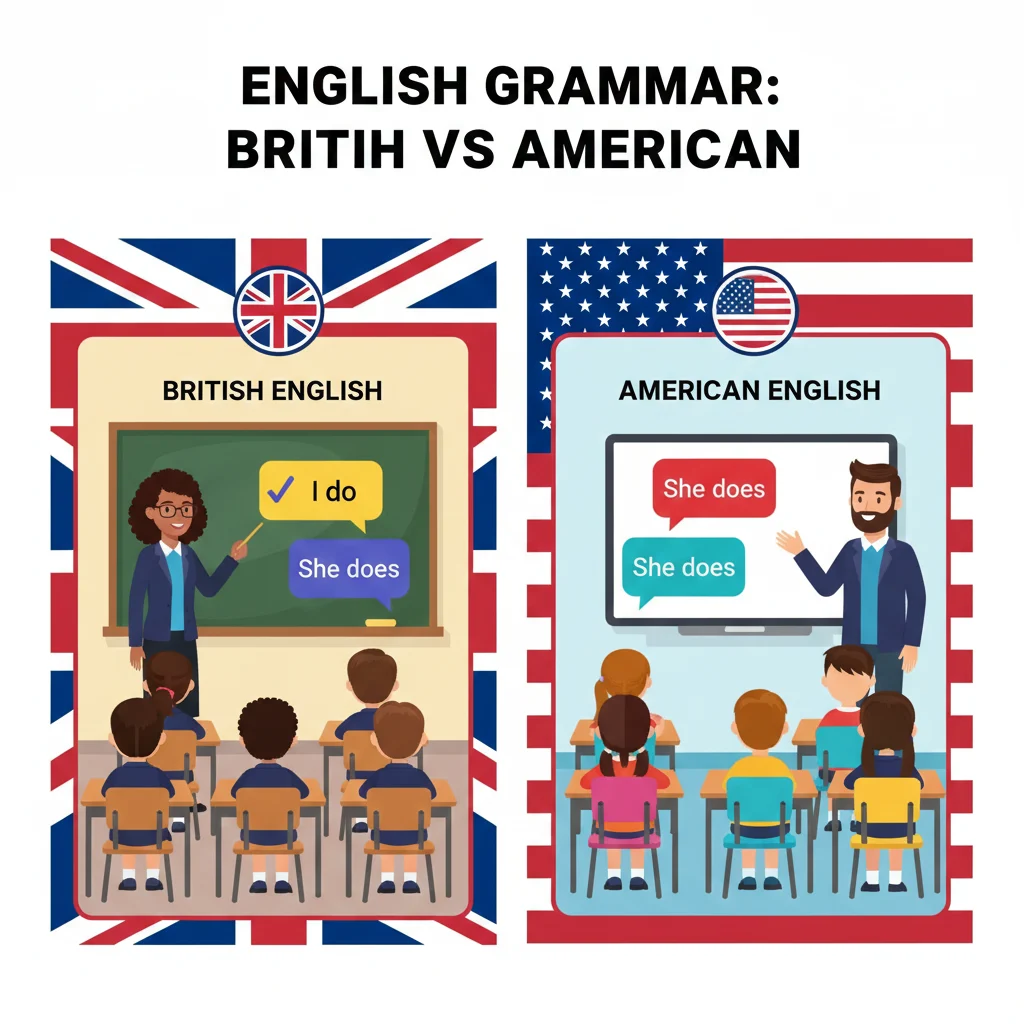
British English vs American English Spelling
The spelling of does and do is the same in both British and American English. The difference lies mainly in style and formality. Both follow the subject-verb agreement rule:
Comparison Table – Do vs Does (UK vs US)
Subject
UK Form
US Form
Example Sentence
I
do
do
I do my homework.
You
do
do
You do the dishes.
He/She/It
does
does
She does her best in exams.
We
do
do
We do our chores together.
They
do
do
They do not like rainy weather.
Tips:
For ESL learners, sticking to standard forms is best.
Most searches come from: India, Pakistan, UK, US, Philippines.
Popular searches include: “does or do meaning,” “do does questions and answers,” “does or do for kids.”
This shows why mastering does or do is important for students, writers, and ESL learners worldwide.
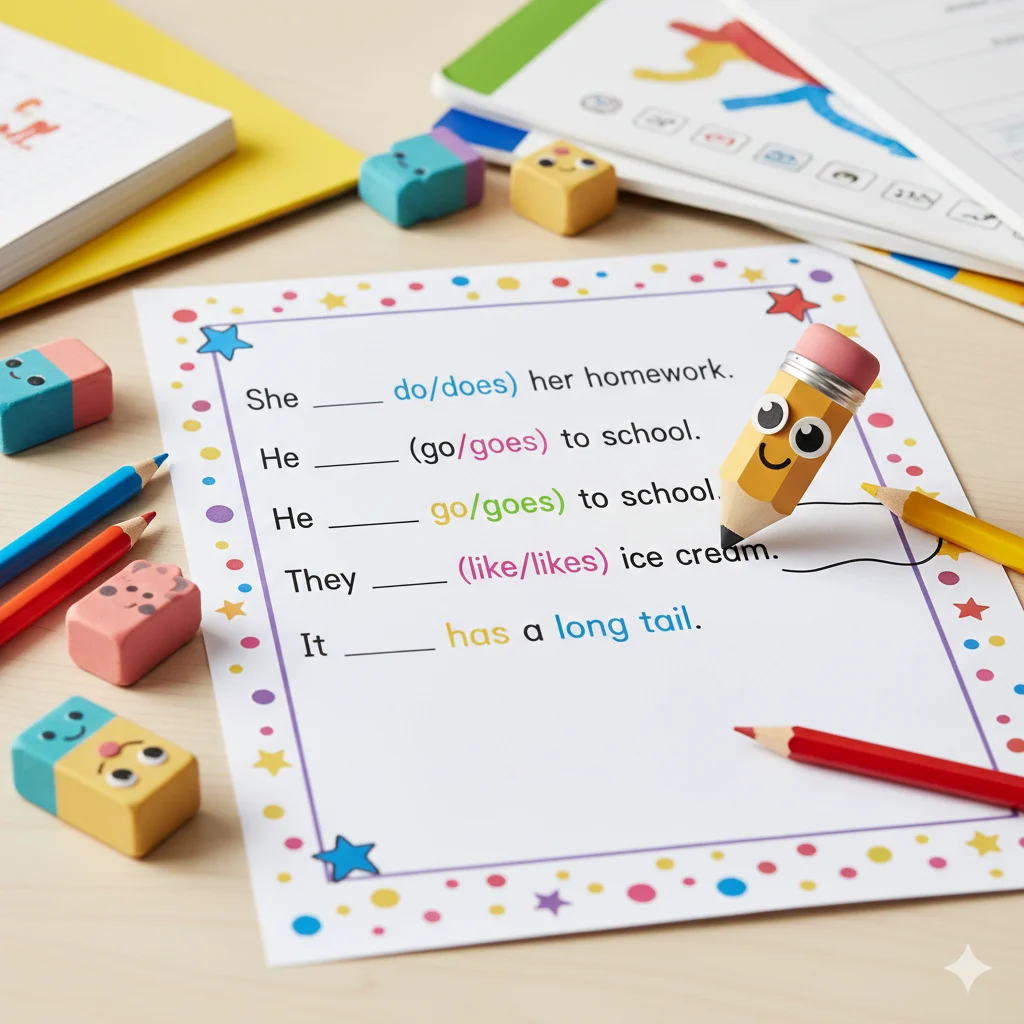
Quick Quiz – Test Yourself
Fill in the blanks:
She ___ (do/does) her homework every day. → does
I ___ (do/does) not like coffee. → do
___ your team play football? → Does
They ___ (do/does) their chores together. → do
He ___ (do/does) enjoy reading. → does
Perfect for kids or beginners practicing does or do rules.
FAQs About Does or Do
1. What is the difference between do and does?
Do is used with I/you/we/they, and does is used with he/she/it.
2. How do I form questions?
Structure: Do/Does + subject + verb? Example: Do they like music?
3. Which is correct, “I do” or “I does”?
I do is correct. I does is wrong.
4. Can worksheets help kids?
Yes, does or do worksheet exercises make learning interactive.
5. Are there exceptions?
Only in archaic English like doth; modern English follows standard rules.
6. Does your team or do your team?
Correct: Does your team play well? Team is singular.
7. How does past tense work?
Use did for all subjects: Did she finish homework?
Conclusion
Understanding does or do is essential for clear English writing and speaking. By following the rule do = I/you/we/they, does = he/she/it, you can avoid common mistakes and communicate confidently.
Using worksheets, quizzes, and everyday examples strengthens understanding, especially for kids or ESL learners. Always consider your audience: whether US, UK, or global readers, standard forms work everywhere. Regular practice and exposure to real-life examples, emails, news, and social media posts make this grammar natural.
Master does or do, and you’ll never hesitate over questions like “does your team or do your team?” or “I do or I does?” Clear, correct usage builds confidence, professionalism, and accuracy in English writing.
“Charles Dickens shares soulful prayers and uplifting reflections on PrayVibe.com, guiding readers toward hope, comfort, and a deeper connection with God.”