Have you ever paused mid-sentence and wondered, “Do you say cactuses or cacti?” You’re not alone. Many English learners, writers, and even native speakers search for “cacti or cactuses” because both forms appear in books, blogs, and even dictionaries. The confusion usually starts when someone learns that cactus comes from Latin, then sees cacti used in science. But in everyday English, you might also hear cactuses.
So which one is correct? Is cacti plural? Is cactuses a word? And what does the Plural of cactus Oxford Dictionary say? Some even ask, “Is cacti short for cactus?” The truth is, understanding the history, context, and audience can help you choose the right form.
This guide answers all these questions. You’ll learn the meaning, origin, spelling rules, real-life examples, Google Trends insights, and expert advice. By the end, you will confidently know which word to use—and when—whether writing a blog, posting on social media, or preparing academic content.
Cacti or Cactuses
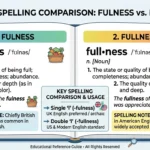
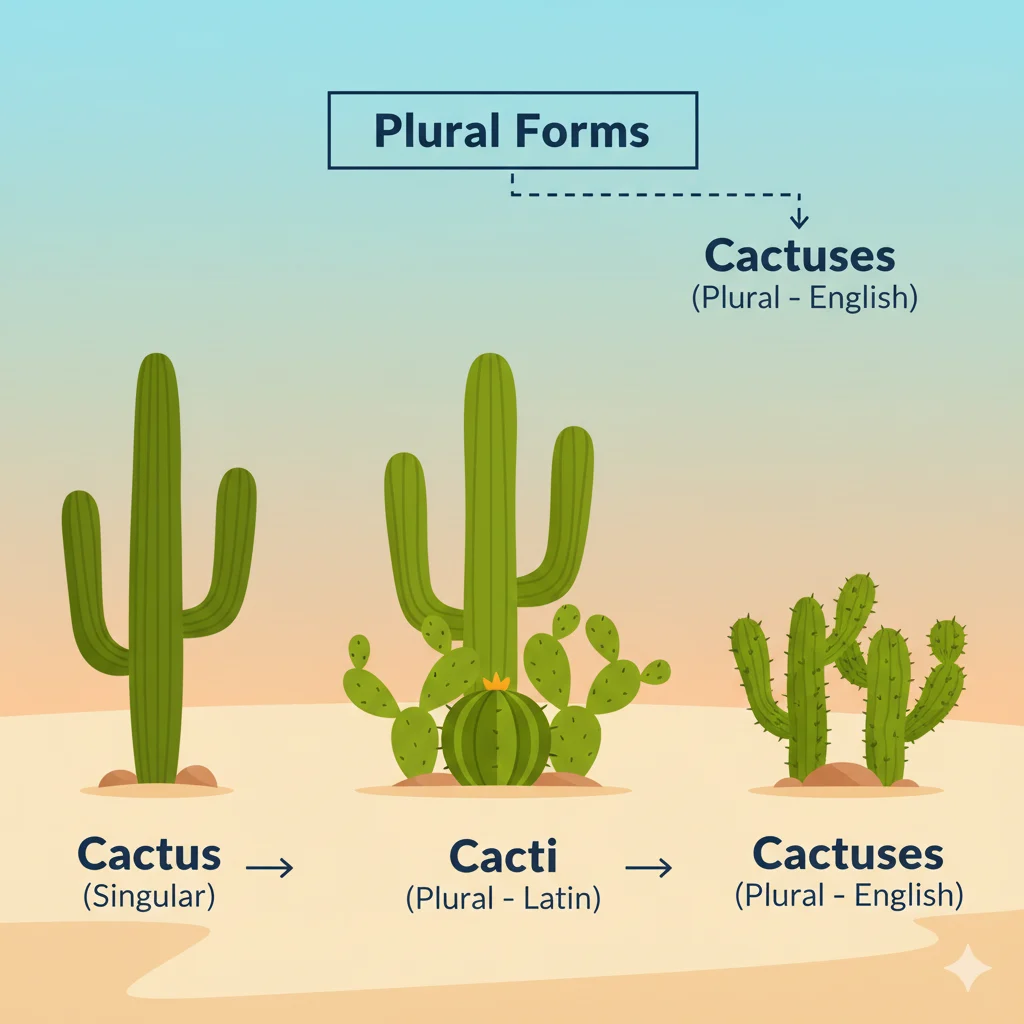
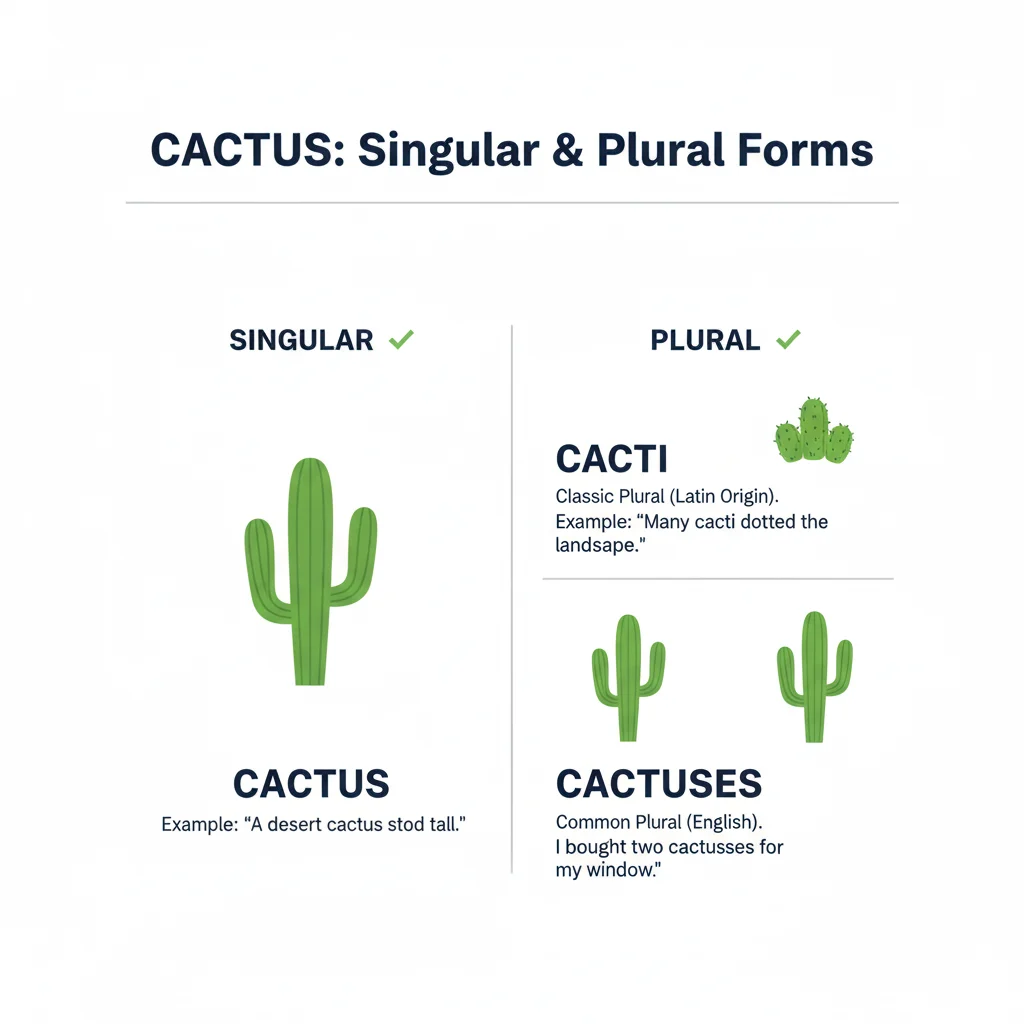
Both “cacti” and “cactuses” are correct plural forms of cactus.
- Cactus = singular
- Cacti = plural (Latin form)
- Cactuses = plural (English form)
So if you ask, “Is cacti plural?” — Yes, it is.
If you ask, “Is cactuses a word?” — Yes, it is also correct.
Examples:
- I bought three cacti for my garden.
- She has many cactuses at home.
Both sentences are grammatically correct. The choice depends on context, audience, and style.
Extra Tip: For casual writing or social media, cactuses sounds more natural. For academic or scientific contexts, cacti is preferred.
The Origin of Cacti or Cactuses
To understand the confusion, we must look at the history of the word.
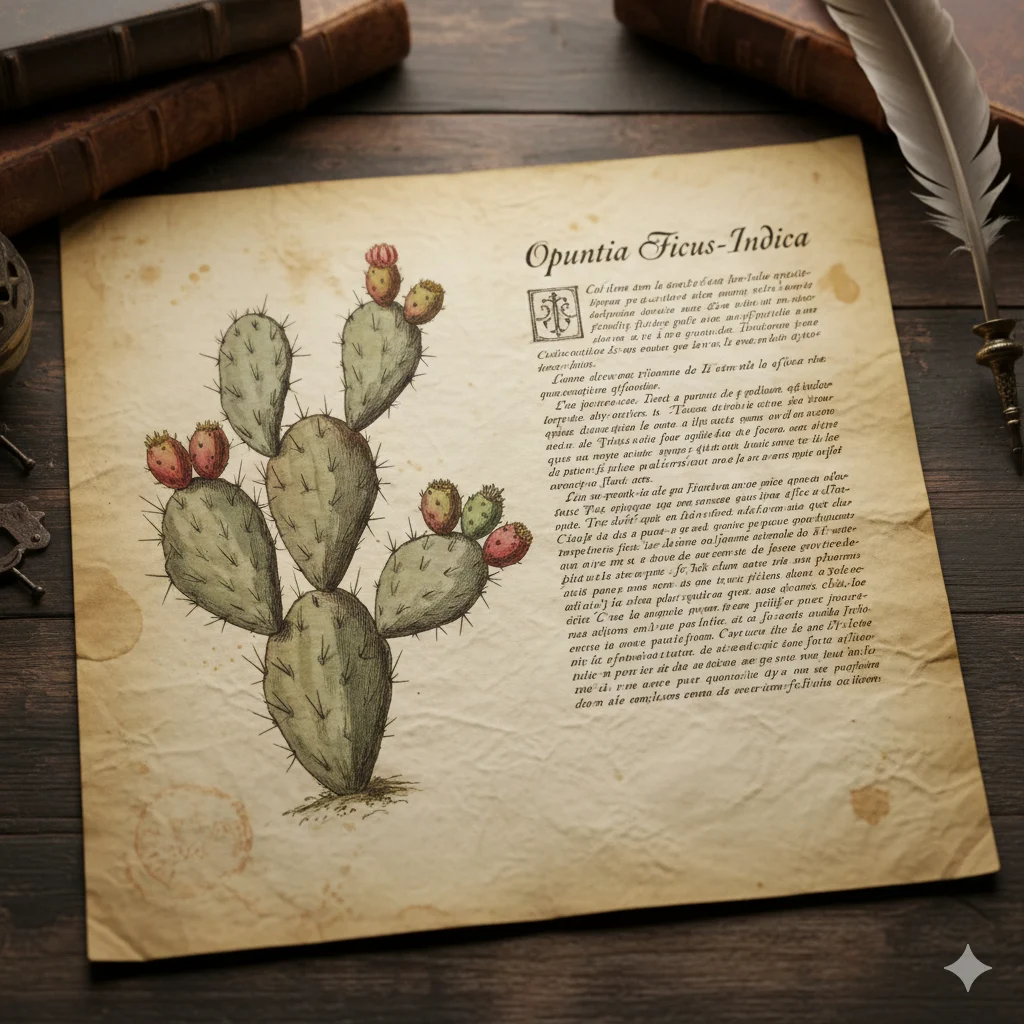
The word cactus comes from Latin, so yes, if you ask, “Is Cactus Latin?” — the answer is yes. The original Latin plural changes -us to -i, which is why the plural form cacti exists.
- Latin singular: cactus
- Latin plural: cacti
Scientists and botanists typically use cacti, especially in formal writing.
But English doesn’t always follow Latin rules. Over time, English speakers formed the regular plural by adding -es, creating cactuses. Both forms are now standard in English.
Why Do Spelling Differences Exist?
English borrows words from many languages. Sometimes we preserve the original plural (like cacti), and sometimes we create a regular English plural (like cactuses).
This is why people search:
- Cacti or cactuses meaning
- What’s the difference between cacti and cactus?
- Is cacti short for cactus?
Important: Cacti is not short for cactus. It is the plural form.
Extra Historical Note: Early English dictionaries, including the Oxford English Dictionary, recognized both forms. This makes both technically correct, but their usage depends on context.
British English vs American English Spelling
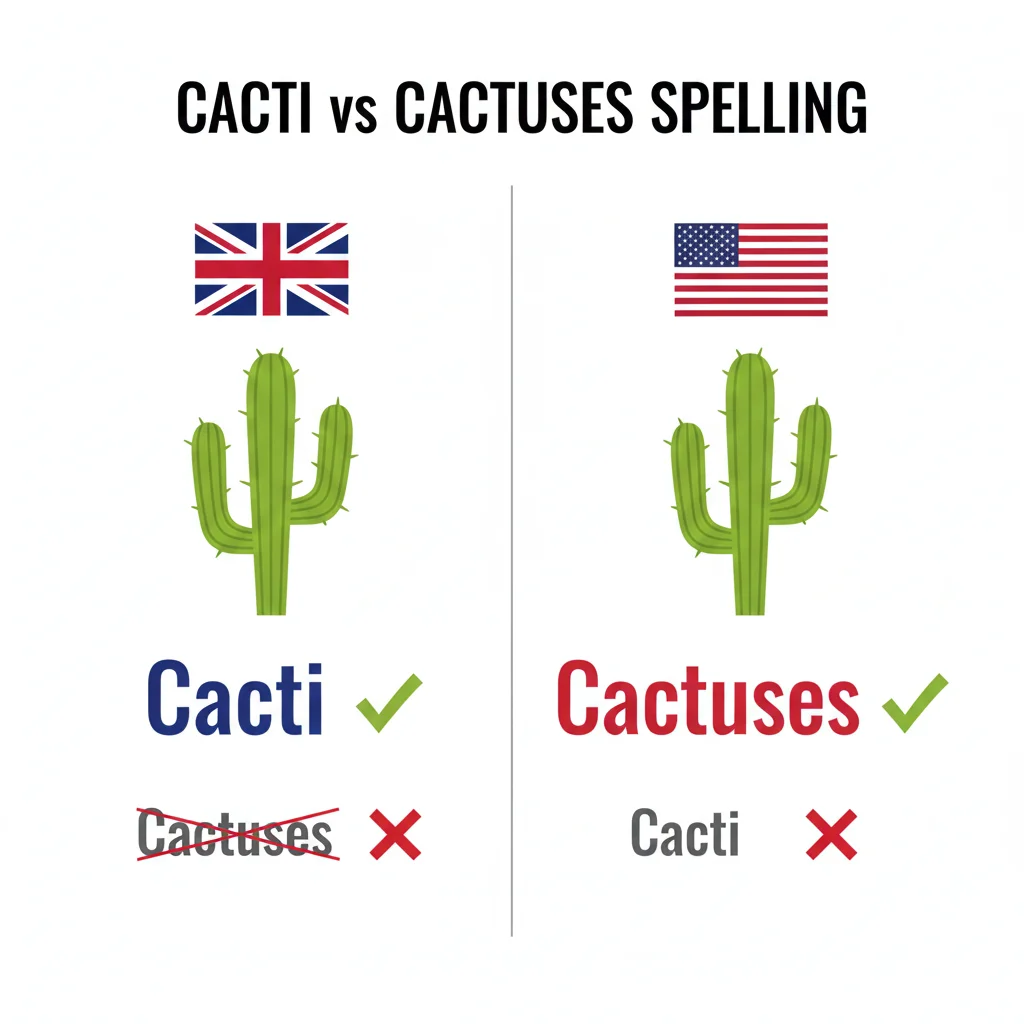
Both British and American English accept cacti and cactuses, but trends differ slightly.
- Scientific or formal writing: cacti is common in both UK and US.
- Casual American English: cactuses is often preferred.
- British general writing: cacti is slightly more frequent.
Comparison Table
| Form | Type | Common Use | Example |
|---|---|---|---|
| Cactus | Singular | All English | The cactus is green. |
| Cacti | Plural (Latin) | Science, formal writing | Many cacti grow in deserts. |
| Cactuses | Plural (English) | Informal, everyday English | She planted two cactuses. |
Plural of Cactus – Oxford Dictionary
According to the Oxford Dictionary, both cacti and cactuses are correct plural forms. This confirms that either is standard English.
Which Spelling Should You Use?
Here’s simple advice depending on your audience:
For Writers in the United States:
- Formal or scientific: cacti
- Casual writing: cactuses
For Writers in the UK or Commonwealth:
- Cacti is slightly more common in formal contexts.
For a Global Audience:
- Use cacti, as it is widely recognized and sounds formal internationally.
Extra Tip: On platforms like “Cacti or cactuses reddit”, both forms appear. Discussions often prefer cacti, especially in educational or botanical contexts.
Easy Rule:
- Want a safe, formal choice → cacti
- Want simple, casual English → cactuses
Common Mistakes with Cacti or Cactuses
Here are frequent errors and corrections:
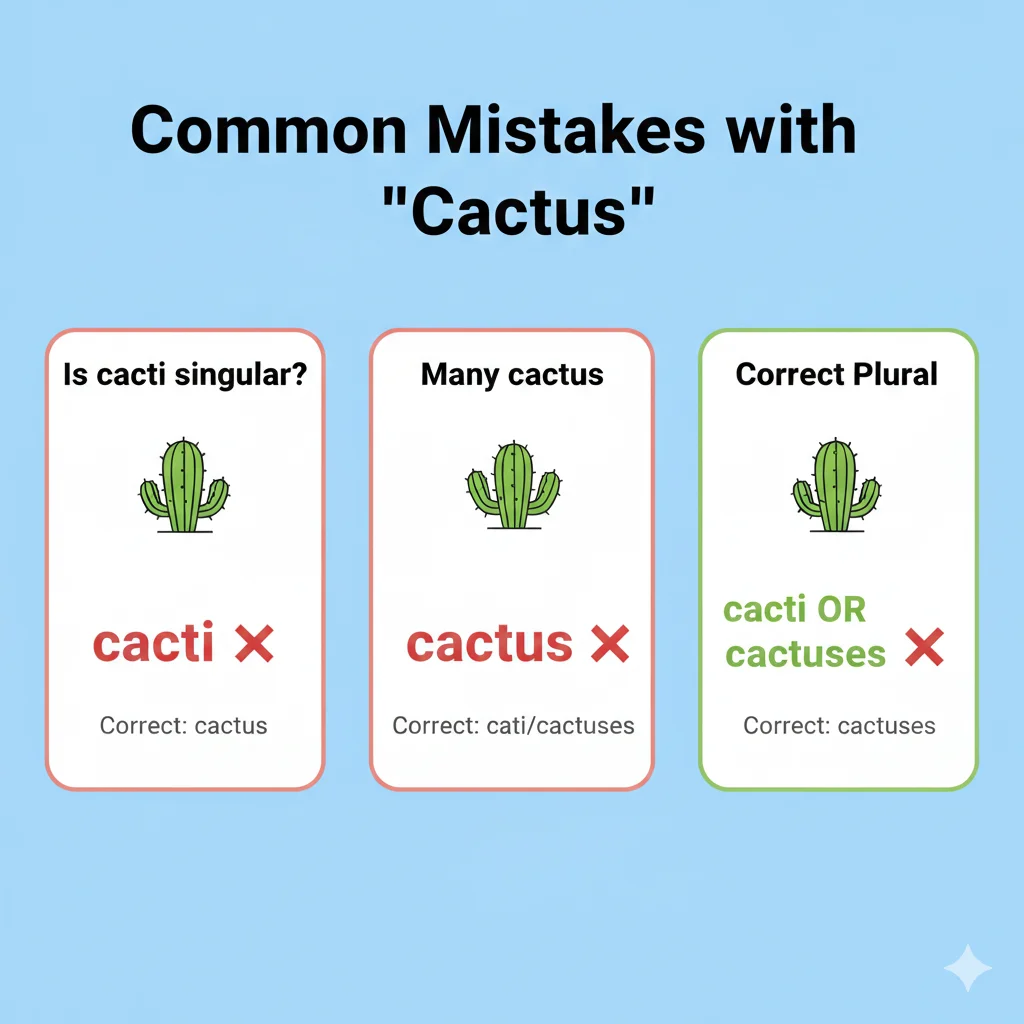
1. ❌ Is cacti singular?
- Wrong.
✔ Correct: Cactus = singular, Cacti = plural
2. ❌ Writing “cactai”
- Spelling mistake. Correct spelling is cacti.
3. ❌ Saying “many cactus”
- Incorrect plural.
✔ Correct: “many cacti” or “many cactuses”
4. ❌ Thinking cacti is short for cactus
- It is not short; it is the plural form.
5. ❌ Using both together
- Wrong: “Many cacti and cactuses grow here.”
- ✔ Correct: Choose one for consistency.
6. ❌ Mixing British & American style unnecessarily
- If writing for a specific audience, pick one form (cacti or cactuses) and stick with it.
Cacti or Cactuses in Everyday Examples
Here are real-life examples showing both forms in use:
Emails
- “Please water the cacti in the office this week.”
- “Remember to check the cactuses on the balcony.”
News Articles
- “The botanical garden displayed rare desert cacti.”
Social Media
- “Obsessed with my new cactuses!”
- “Check out these colorful cacti I bought.”
Academic Writing
- “These cacti adapt to extreme temperatures.”
Conversations
- “How many cactuses did you buy for your garden?”
This demonstrates that both forms appear naturally in English, but context and audience dictate which one fits best.
Bit or Bitten: A Tiny Grammar Rule That Matters
Cacti or Cactuses – Google Trends & Usage Data
Search and usage data reveal interesting patterns:
- “Cacti” is searched more often worldwide.
- “Cactuses” appears more in US-based casual searches.
- Many people search grammar questions like:
- Do you say cactuses or cacti?
- Is cacti plural?
- Is cactuses a word?
- Cacti or cactuses in English
Google Trends shows that cacti dominates educational and scientific searches, while cactuses shows higher usage in casual, lifestyle, and gardening contexts.
On Reddit, discussions often favor cacti as it sounds more formal, but most users agree that cactuses is not incorrect.
Keyword Comparison Table
| Question | Answer |
|---|---|
| Do you say cactuses or cacti? | Both are correct. |
| What’s the difference between cacti and cactus? | Cactus = singular, Cacti = plural. |
| Is it ever correct to use cactuses? | Yes, especially in informal English. |
| Is cacti short for cactus? | No, it is the plural form. |
| Is cacti singular? | No. |
| Is cacti plural? | Yes. |
| Is cactuses a word? | Yes. |
| Is Cactus Latin? | Yes, originally. |
| Cacti or cactuses meaning | Both mean the plural of cactus, choice depends on style. |
| Cacti or cactuses in English | Both forms are accepted in English writing. |
FAQs About Cacti or Cactuses
1. What is the correct plural of cactus?
Both cacti and cactuses are correct.
2. Which form is more formal?
Cacti is more formal and often used in scientific writing.
3. Why do people argue about cacti or cactuses?
Because English allows both Latin and regular plurals.
4. What does the Oxford Dictionary say?
It accepts both cacti and cactuses.
5. Is cacti plural in English?
Yes, it is a standard plural form.
6. Can I use cactuses in academic writing?
Yes, but cacti is preferred in scientific contexts.
7. Why does English have two plural forms?
Because it borrows from Latin while also adapting to regular English plural rules.
8. Do you say cactuses or cacti on Reddit?
Both are used; cacti is slightly more common in educational discussions.
Conclusion
The debate over cacti or cactuses is not about right or wrong. Both forms are grammatically correct. The difference lies in style, context, and audience.
- Cactus = singular
- Cacti = plural, Latin form, formal, scientific, international
- Cactuses = plural, English form, casual, everyday usage
If you are writing for academics, science, or a global audience, use cacti. If you are writing casually, posting on social media, or emailing friends, cactuses works perfectly.
By understanding the origin, rules, and common mistakes, you can confidently answer the question: “Do you say cactuses or cacti?” and use the correct form every time.
Remember: choosing the right plural shows both grammar knowledge and attention to audience.

“Virginia Woolf offers reflective, soothing prayers on PrayVibe.com, guiding readers toward inner calm, hope, and a deeper sense of spiritual clarity.”